
How the Stock Exchange Evolved

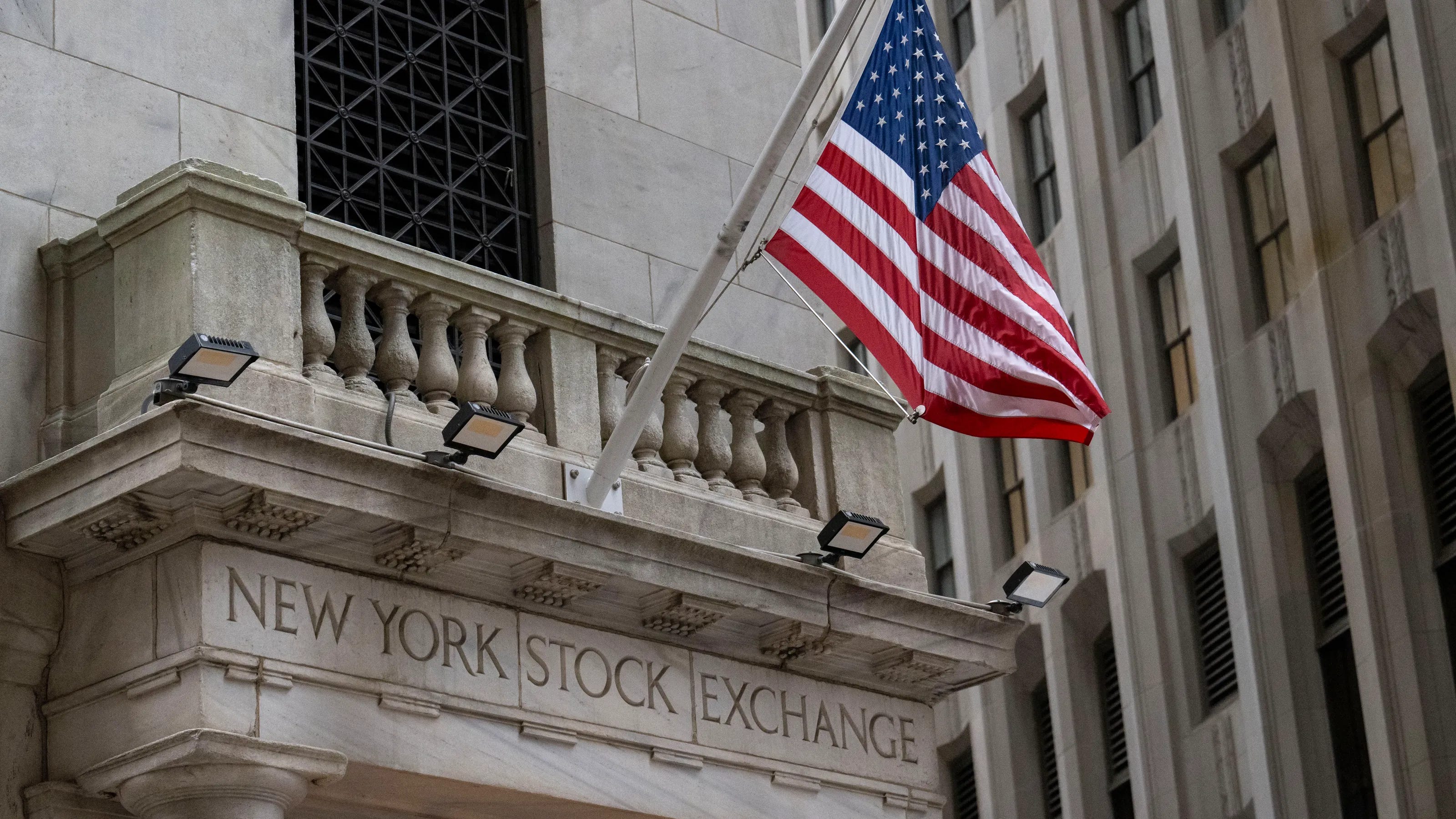
We don’t choose the moment in time we’re born into. All we can do is play the hand we’re dealt.
I still find it helpful to study history, not to predict the future, but to better understand the present. Zooming out reminds us that what we’re living through might not be as unique as it feels.
History also reminds us that, years from now, people will look back on this era. How archaic will it seem? What events will define it?
Recently, I stumbled across a 1997 documentary on the history of the stock exchange.
There’s so much to learn about today’s financial world, but understanding how we got here only helps. And because this doc is nearly 30 years old, it serves as a fascinating time capsule. It’s untouched by the dot-com bubble, the global financial crisis, or the COVID pandemic. The final few minutes, especially, hit differently with the knowledge of what was to come.
From Ancient Ships to Wall Street
The episode opens with the earliest forms of raising capital and trading ownership. In ancient Greece, ship captains offered profits to those who financed trading voyages. The ships could return with riches, or never return at all.
Centuries later, in the early 1600s, the Dutch East India Company became the first publicly traded company, as the Dutch sought capital for international trade. Unlike Greek single voyages, investors now bought into an ongoing enterprise. Shares could be sold among investors, introducing speculation and liquidity. These are concepts that remain central today.
Here’s a line from the doc that still rings true:
“The price could rise or fall on the vaguest of rumors.”
At the time, trading stocks was viewed as gambling or a game for the wealthy. Crashes hadn’t yet rippled through the broader economy because few everyday people were invested. That would soon change.
From there, the film shifts to the birth of Wall Street itself, named after a defensive wall the Dutch built in 1653 when New York was still New Amsterdam. The wall eventually came down, but the area had become a hub of commerce, and it’s here that the foundations of the New York Stock Exchange began to take shape.
The Railroad Boom and Financial Turmoil
The story then moves into the railroad era. The documentary touches on it briefly, though I found myself wishing it went deeper, especially with all the 2025 parallels between railroads and AI infrastructure. One historian notes that before railroads, most businesses were small, family-run operations that didn’t require much capital. Railroads changed that. They needed massive financing — and in turn, they fueled the growth of financial markets themselves.
But that growth came with corruption. The railroad boom was a breeding ground for manipulation. The film highlights financier Jay Gould, who schemed to move markets for personal gain. I try to imagine living through that. Would I have been swept up in the mania only to have the rug pulled out from under me? Throughout the late 19th and early 20th centuries, the exchange even closed for days at a time during financial panics.
The Rise of Information
Next comes what the documentary calls “the information age,” when the telegraph revolutionized the spread of financial data. For the first time, investors across the country could access the same information almost instantly. New York City emerged as the undisputed financial center, replacing regional exchanges in places like Albany and Buffalo.
Another milestone followed in 1889 with the creation of The Wall Street Journal. Then in 1896, Charles Dow and Edward Jones began tracking 12 industrial stocks, finally offering a barometer for what had previously been chaos, where traders reacted to short-term frenzies with little sense of long-term trends.
It’s a reminder of how innovations that seem obvious today were once revolutionary.
The Crash and the Long Climb Back
Despite these advances, stockholders were about to take their biggest gut punch yet.
The Roaring Twenties ushered in a period of extraordinary optimism. After World War I, factories were humming, wages were rising, and families had money to spend. The NYSE unveiled a new building with organized trading posts. As the documentary puts it, the exchange became a place of “glamour and wonder.”
The spread of radio and automobiles only amplified the frenzy. From 1924 to the September 1929 peak, the Dow rose about 216% (a bit more than tripled).
But speculation had a dark side. Many Americans were buying both goods and stocks on credit. When the market turned, margin buyers were wiped out. Yet instead of retreating, many doubled down, trying to “buy the dip.” The initial crash was psychologically catastrophic, but not financially — at least not compared to what came next. More money was ultimately lost trying to buy the dip than during the initial collapse.
From the 1929 peak to the 1932 bottom, the Dow fell roughly 89%.
It wouldn’t reclaim that high until 1954.
Looking back, it’s astonishing how few safeguards existed. Before the New Deal, there was no federal separation of commercial and investment banking, and no requirement for companies to publish audited financials. It sounds unthinkable now.
Learning this makes me wonder how future generations will view today’s markets. What blind spots do we accept as normal that will one day seem equally absurd?
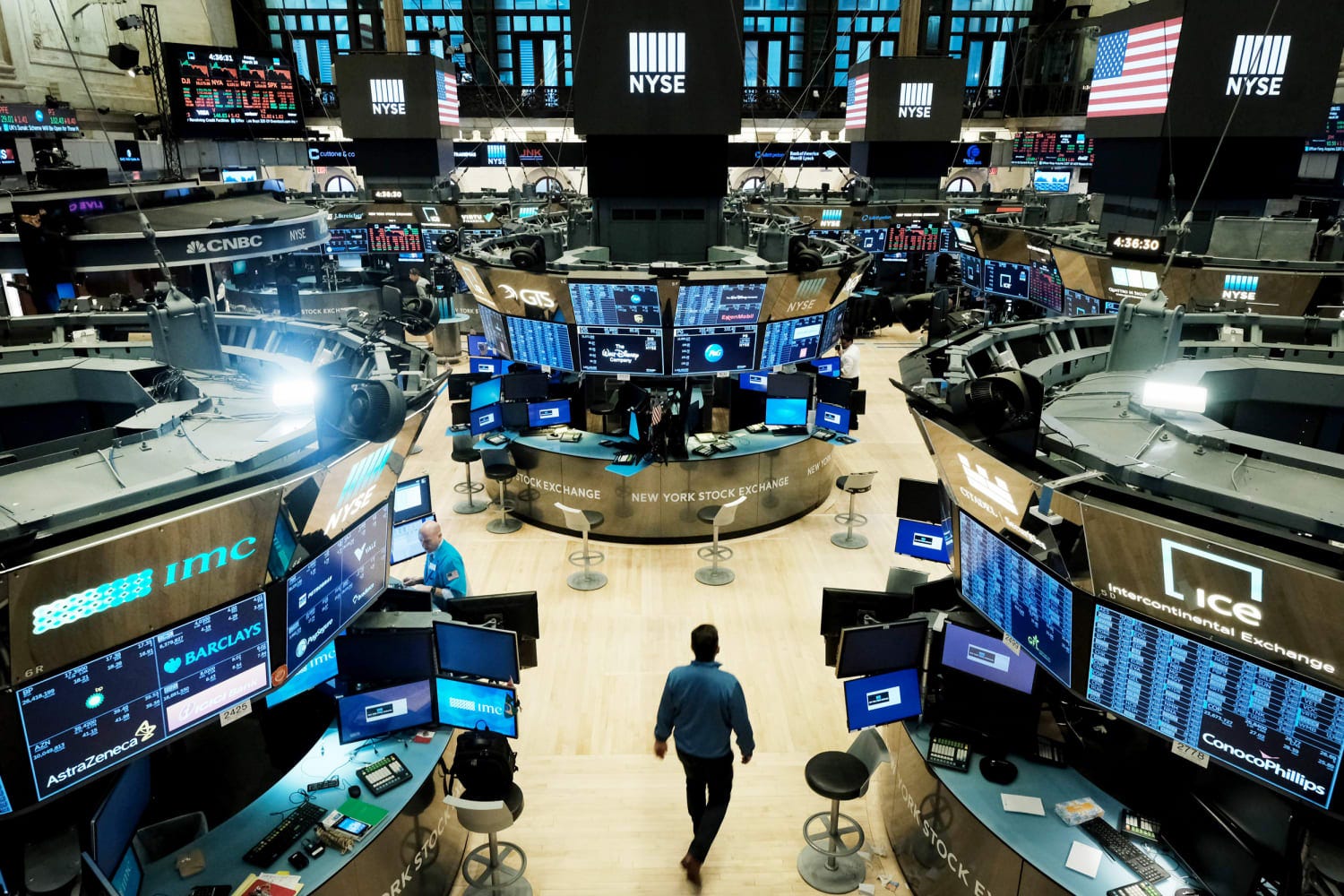
The final act of the documentary shifts to post–World War II America. Another boom, but this time on sturdier ground. Thanks in part to Merrill Lynch’s campaign to educate middle-class investors, stocks finally recovered from Depression-era lows.
In the 1950s, economist Harry Markowitz introduced the theory of diversification, an idea so ingrained now that it’s easy to forget it once earned him a Nobel Prize.
As pension and mutual funds exploded in popularity through the 1960s, trading volume overwhelmed Wall Street’s paper-based systems. To clear a paperwork backlog, the NYSE closed every Wednesday from June 12–Dec 31, 1968. It’s a small detail that perfectly captures the growing pains of an analog system straining toward digitization.
Eventually, computers replaced paper, transforming the market once again. But that same technology would later create new forms of risk. On October 19, 1987 — “Black Monday” — automated selling cascaded into a 23% single-day decline before anyone could intervene, as portfolio-insurance programs triggered sell orders en masse.
At the time, there were few guardrails to halt trading when the Dow moved too rapidly. It’s another reminder that we rarely fix problems until a crisis exposes them. Each solution makes the system stronger, but also more complex, and more fragile in new ways.
Just Before Everything Went Digital
Because the documentary aired in 1997, there’s no mention of the dot-com bubble. But the final moments feel almost prophetic. The narrator describes Nasdaq as “a quick and easy way to trade without face-to-face encounters.”
Then comes this line:
“Some economists think the days of face-to-face trading are numbered.”
They couldn’t have known what was coming over the next 30 years, but that’s what makes it so captivating. It’s a multi-century history of the stock exchange told from a world right on the brink of digitization.
It grounds you in the origins of what the market actually is, and leaves you amazed at how whimsical today’s reality once seemed.
For those who began investing after the pandemic, it’s a powerful reminder. This system we take for granted has been rebuilt, crash after crash, innovation after innovation. And studying that history remains the best way to understand the hand we’ve been dealt.